Navigation
-
-
Standalone Tebex Templates & themes Websites Pterodactyl Themes Addons Eggs NamelessMC Templates Modules XenForo Themes Addons Invision Community Themes Plugins Translations WHMCS Themes Modules Paymenter Themes Extensions Calagopus Themes Extensions Eggs LeaderOS themes Ghost themes Shopify themes Wix themes Squarespace themes Other webstores CraftingStore templates MineStore themes PayNow templates Other
-
-
-
Install the app
More options
You are using an out of date browser. It may not display this or other websites correctly.
You should upgrade or use an alternative browser.
You should upgrade or use an alternative browser.
1-character hacked
- Thread starter Richest
- Start date
- Status
- This thread has been locked.


It's that or let some jackass keep it lelIf you contact mojang about this you're just asking for it to be removed lmao
Banned forever. Reason: Account compromised
TrueIt's that or let some jackass keep it lel

Theres no one named Sekret here
Im guessing your misspelling it
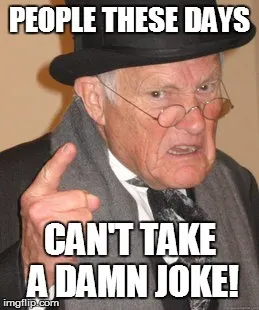
That signature though MINDBLOWNAnd another 1-letter bites the dust.
RIP bb. At least we still have our 2 letters.

Well I'm an idiotIt was a joke dude.

Excuse me sir you need to cite your sources otherwise you are breaking the honor code.Nigga, do you know what hacking is...?
In the computer security context, a hacker is someone who seeks and exploits weaknesses in a computer system or computer network. Hackers may be motivated by a multitude of reasons, such as profit, protest, challenge, enjoyment,[1] or to evaluate those weaknesses to assist in removing them. The subculture that has evolved around hackers is often referred to as the computer underground and is now a known community.[2] While other uses of the word hacker exist that are related to computer security, such as referring to someone with an advanced understanding of computers and computer networks,[3] they are rarely used in mainstream context.[citation needed] They are subject to the longstanding hacker definition controversy about the term's true meaning. In this controversy, the term hacker is reclaimed by computer programmers who argue that someone who breaks into computers, whether computer criminal (black hats) or computer security expert (white hats),[4] is more appropriately called a cracker instead.[5] Some white hat hackers[who?] claim that they also deserve the title hacker, and that only black hats should be called "crackers".
In computer security, a hacker is someone who focuses on security mechanisms of computer and network systems. While including those who endeavor to strengthen such mechanisms, it is more often used by the mass media and popular culture to refer to those who seek access despite these security measures. That is, the media portrays the 'hacker' as a villain. Nevertheless, parts of the subculture see their aim in correcting security problems and use the word in a positive sense. White hat is the name given to ethical computer hackers, who utilize hacking in a helpful way. White hats are becoming a necessary part of the information security field.[6] They operate under a code, which acknowledges that breaking into other people's computers is bad, but that discovering and exploiting security mechanisms and breaking into computers is still an interesting activity that can be done ethically and legally. Accordingly, the term bears strong connotations that are favorable or pejorative, depending on the context.
The subculture around such hackers is termed network hacker subculture, hacker scene or computer underground. It initially developed in the context of phreaking during the 1960s and the microcomputer BBS scene of the 1980s. It is implicated with 2600: The Hacker Quarterly and the alt.2600 newsgroup.
In 1980, an article in the August issue of Psychology Today (with commentary by Philip Zimbardo) used the term "hacker" in its title: "The Hacker Papers". It was an excerpt from a Stanford Bulletin Board discussion on the addictive nature of computer use. In the 1982 film Tron, Kevin Flynn (Jeff Bridges) describes his intentions to break into ENCOM's computer system, saying "I've been doing a little hacking here". CLU is the software he uses for this. By 1983, hacking in the sense of breaking computer security had already been in use as computer jargon,[7] but there was no public awareness about such activities.[8] However, the release of the film WarGames that year, featuring a computer intrusion into NORAD, raised the public belief that computer security hackers (especially teenagers) could be a threat to national security. This concern became real when, in the same year, a gang of teenage hackers in Milwaukee, Wisconsin, known as The 414s, broke into computer systems throughout the United States and Canada, including those of Los Alamos National Laboratory, Sloan-Kettering Cancer Center and Security Pacific Bank.[9] The case quickly grew media attention,[9][10]and 17-year-old Neal Patrick emerged as the spokesman for the gang, including a cover story in Newsweek entitled "Beware: Hackers at play", with Patrick's photograph on the cover.[11] TheNewsweek article appears to be the first use of the word hacker by the mainstream media in the pejorative sense.
Pressured by media coverage, congressman Dan Glickman called for an investigation and began work on new laws against computer hacking.[12][13] Neal Patrick testified before the U.S. House of Representatives on September 26, 1983, about the dangers of computer hacking, and six bills concerning computer crime were introduced in the House that year.[13] As a result of these laws against computer criminality, white hat, grey hat and black hat hackers try to distinguish themselves from each other, depending on the legality of their activities. These moral conflicts are expressed in The Mentor's "The Hacker Manifesto", published 1986 in Phrack.
Use of the term hacker meaning computer criminal was also advanced by the title "Stalking the Wily Hacker", an article by Clifford Stoll in the May 1988 issue of the Communications of the ACM. Later that year, the release by Robert Tappan Morris, Jr. of the so-called Morris worm provoked the popular media to spread this usage. The popularity of Stoll's book The Cuckoo's Egg, published one year later, further entrenched the term in the public's consciousness.

Some shit wikepedia or other else copy paste shit..Nigga, do you know what hacking is...?
In the computer security context, a hacker is someone who seeks and exploits weaknesses in a computer system or computer network. Hackers may be motivated by a multitude of reasons, such as profit, protest, challenge, enjoyment,[1] or to evaluate those weaknesses to assist in removing them. The subculture that has evolved around hackers is often referred to as the computer underground and is now a known community.[2] While other uses of the word hacker exist that are related to computer security, such as referring to someone with an advanced understanding of computers and computer networks,[3] they are rarely used in mainstream context.[citation needed] They are subject to the longstanding hacker definition controversy about the term's true meaning. In this controversy, the term hacker is reclaimed by computer programmers who argue that someone who breaks into computers, whether computer criminal (black hats) or computer security expert (white hats),[4] is more appropriately called a cracker instead.[5] Some white hat hackers[who?] claim that they also deserve the title hacker, and that only black hats should be called "crackers".
In computer security, a hacker is someone who focuses on security mechanisms of computer and network systems. While including those who endeavor to strengthen such mechanisms, it is more often used by the mass media and popular culture to refer to those who seek access despite these security measures. That is, the media portrays the 'hacker' as a villain. Nevertheless, parts of the subculture see their aim in correcting security problems and use the word in a positive sense. White hat is the name given to ethical computer hackers, who utilize hacking in a helpful way. White hats are becoming a necessary part of the information security field.[6] They operate under a code, which acknowledges that breaking into other people's computers is bad, but that discovering and exploiting security mechanisms and breaking into computers is still an interesting activity that can be done ethically and legally. Accordingly, the term bears strong connotations that are favorable or pejorative, depending on the context.
The subculture around such hackers is termed network hacker subculture, hacker scene or computer underground. It initially developed in the context of phreaking during the 1960s and the microcomputer BBS scene of the 1980s. It is implicated with 2600: The Hacker Quarterly and the alt.2600 newsgroup.
In 1980, an article in the August issue of Psychology Today (with commentary by Philip Zimbardo) used the term "hacker" in its title: "The Hacker Papers". It was an excerpt from a Stanford Bulletin Board discussion on the addictive nature of computer use. In the 1982 film Tron, Kevin Flynn (Jeff Bridges) describes his intentions to break into ENCOM's computer system, saying "I've been doing a little hacking here". CLU is the software he uses for this. By 1983, hacking in the sense of breaking computer security had already been in use as computer jargon,[7] but there was no public awareness about such activities.[8] However, the release of the film WarGames that year, featuring a computer intrusion into NORAD, raised the public belief that computer security hackers (especially teenagers) could be a threat to national security. This concern became real when, in the same year, a gang of teenage hackers in Milwaukee, Wisconsin, known as The 414s, broke into computer systems throughout the United States and Canada, including those of Los Alamos National Laboratory, Sloan-Kettering Cancer Center and Security Pacific Bank.[9] The case quickly grew media attention,[9][10]and 17-year-old Neal Patrick emerged as the spokesman for the gang, including a cover story in Newsweek entitled "Beware: Hackers at play", with Patrick's photograph on the cover.[11] TheNewsweek article appears to be the first use of the word hacker by the mainstream media in the pejorative sense.
Pressured by media coverage, congressman Dan Glickman called for an investigation and began work on new laws against computer hacking.[12][13] Neal Patrick testified before the U.S. House of Representatives on September 26, 1983, about the dangers of computer hacking, and six bills concerning computer crime were introduced in the House that year.[13] As a result of these laws against computer criminality, white hat, grey hat and black hat hackers try to distinguish themselves from each other, depending on the legality of their activities. These moral conflicts are expressed in The Mentor's "The Hacker Manifesto", published 1986 in Phrack.
Use of the term hacker meaning computer criminal was also advanced by the title "Stalking the Wily Hacker", an article by Clifford Stoll in the May 1988 issue of the Communications of the ACM. Later that year, the release by Robert Tappan Morris, Jr. of the so-called Morris worm provoked the popular media to spread this usage. The popularity of Stoll's book The Cuckoo's Egg, published one year later, further entrenched the term in the public's consciousness.
- Status
- This thread has been locked.